
Trial Attorney in Criminal Defense: Courtroom Strategy and Case Advocacy
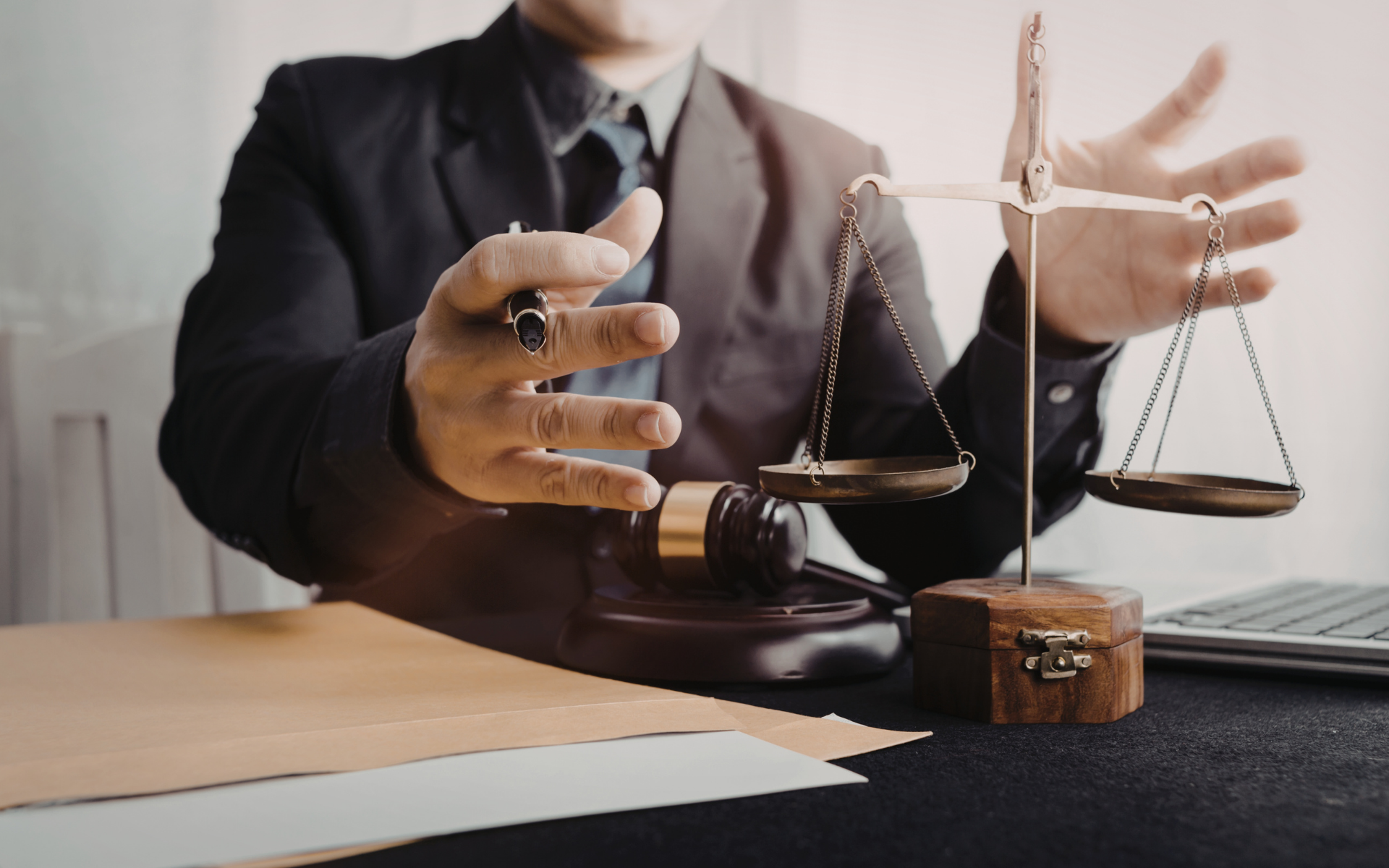
When you are facing criminal charges in Rock Hill, SC, the most critical question you can ask isn’t just “Do I need a lawyer?” it is “Do I need a trial attorney?”
While many criminal cases are resolved through plea negotiations, the threat of a trial is often what drives a favorable result. However, not all lawyers are trial attorneys. True trial advocacy requires a specific skillset: the ability to select a jury, cross-examine hostile witnesses, navigate complex rules of evidence, and construct a narrative that persuades twelve citizens to vote “not guilty.”
At the Law Offices of Geoffry M. Dunn, LLC, we believe that preparing every case as if it is going to trial is the only way to ensure our clients receive the defense they deserve. This guide breaks down exactly what a trial attorney does, how the courtroom really works, and why having a strategist in your corner changes the odds.
Table of Contents
What Does a Trial Attorney Do in Criminal Defense?
A trial attorney is a criminal defense lawyer who specializes in arguing cases before a judge or jury. Unlike attorneys who primarily focus on plea bargaining, a trial attorney’s strategy includes:
- Pre-trial Litigation: Filing motions to suppress evidence or dismiss charges based on constitutional violations.
- Jury Selection (Voir Dire): meticulously questioning potential jurors to identify bias.
- Case Advocacy: Presenting evidence, cross-examining state witnesses, and delivering opening and closing arguments.
- Preserving the Record: Ensuring that any legal errors made by the judge are documented for potential appeals.
In short, a trial attorney doesn’t just process paperwork; they fight the government’s narrative in open court.
The Anatomy of a Jury Trial: It’s Not Like TV
For many defendants in York County, their only knowledge of a trial comes from television. Real courtroom strategy is far more methodical and rule-bound. Understanding these phases helps reduce the anxiety of the unknown.
1. Jury Selection (Voir Dire)
This is arguably the most important part of the trial. In Rock Hill and surrounding South Carolina courts, we don’t just “pick” jurors; we “strike” them.
- The Goal: We aren’t looking for people who like us. We are looking to remove people who cannot be fair.
- The Strategy: A skilled trial attorney uses this time to uncover hidden biases regarding law enforcement, race, or the specific type of crime alleged. If a juror believes “police officers never lie,” they must be identified and removed.
2. Opening Statements
An opening statement is not an argument; it is a roadmap.
- The Prosecutor will promise the jury they will see certain facts.
- The Defense often uses this time to highlight the holes in the state’s story before a single witness takes the stand.
- Strategy: We often focus on the “burden of proof,” reminding jurors that the defendant has to prove nothing, while the state must prove everything.
3. The State’s Case and Cross-Examination
This is the engine of the trial. The prosecution calls witnesses police officers, experts, eyewitnesses to build their case.
- Direct Examination: The prosecutor asks open-ended questions to let the witness tell a story.
- Cross-Examination: The defense attorney takes control. This is where a trial attorney earns their reputation. We use leading questions to control the witness, expose inconsistencies, reveal bias, or show a lack of knowledge.
- Example: If an officer says a defendant was “stumbling,” but the body camera footage shows them walking straight, cross-examination is the tool used to highlight that contradiction to the jury.
4. The Defense Case (To Testify or Not?)
The defendant has an absolute right to remain silent. In many trials, the defense rests without calling a single witness. Why? Because if the state hasn’t met its burden of proof, calling witnesses might only give the prosecutor more targets to attack.
- Strategic Decision: Deciding whether a client should testify is a massive strategic choice. A trial attorney prepares the client for weeks to handle the pressure of the prosecutor’s cross-examination if they choose to take the stand.
5. Closing Arguments
This is where the attorney ties the facts to the law. We take the “puzzle pieces” of evidence and show the jury why they do not form a picture of guilt beyond a reasonable doubt.
Evidence Rules: The Invisible Battlefield
Much of a trial attorney’s work happens before the jury even walks in. The Rules of Evidence dictate what the jury is allowed to hear and see. A significant part of our strategy involves keeping damaging, unreliable, or illegal evidence out of the courtroom.
Motions to Suppress
If evidence was obtained in violation of your Fourth Amendment rights (illegal search and seizure) or Fifth Amendment rights (coerced confession), we file a Motion to Suppress.
- The Impact: If the judge agrees that the police stopped your car without probable cause, the drugs found in the trunk may be excluded. Without that evidence, the state may be forced to dismiss the case completely.
Hearsay and Relevance
Prosecutors often try to introduce statements made by people who are not in the courtroom.
- The Objection: “Objection, Hearsay.”
- The Reason: You have a constitutional right to confront your accuser (The Confrontation Clause). If a witness isn’t there to be cross-examined, their statement usually shouldn’t be admitted. A trial attorney must know these rules instantly; there is no time to look them up when a witness speaks.
Character Evidence
The state often wants to paint the defendant as a “bad person.” Strict rules prevent them from bringing up past mistakes just to smear your character. We fight aggressively to ensure the jury focuses only on the facts of the current case, not your past.
The “Iceberg” of Trial Preparation
What you see in court is only 10% of the work. The other 90% is preparation. In a typical felony case in Rock Hill, effective preparation involves:
- Discovery Review: analyzing hundreds of pages of police reports, hours of body cam footage, and forensic lab reports.
- Investigative Work: Visiting the scene of the crime. Photos and maps often look different from reality. We look for sightlines, lighting conditions, and traffic patterns that police reports might miss.
- Witness Interviews: Locating and interviewing potential defense witnesses who the police may have ignored.
- Theory of the Case: Developing a consistent narrative. Is this a case of mistaken identity? Self-defense? False accusation? Lack of intent? The theory drives every question we ask in court.
Why Trial Experience Changes Plea Outcomes
You might be thinking, “I don’t want a trial. I just want this over with.”
Even if your goal is a plea agreement, you need a trial attorney. Here is why:
Prosecutors know which lawyers are afraid of trial and which ones are ready for battle. If a prosecutor knows a defense lawyer always pleads their clients guilty, they have no incentive to offer a better deal. They hold all the leverage.
However, if they are facing a defense attorney known for taking cases to verdict, one who will file motions, challenge evidence, and make the state work for every inch the prosecutor is often more willing to negotiate a favorable resolution to avoid the risk and resource drain of a trial.
Trial capability creates leverage. It is the difference between pleading to the original charge and negotiating a reduction to a lesser offense or a dismissal.
Local Knowledge: The Rock Hill, SC Factor
Criminal defense is local. Laws are statewide, but procedures, judges, and prosecutorial tendencies vary by county. Practicing in York County means understanding the specific expectations of the local bench.
- Judicial Discretion: Different judges have different tolerances for delays, different preferences for how motions are argued, and different sentencing philosophies.
- The Docket: Understanding how the Sixteenth Circuit Solicitor’s Office manages its docket helps us time our motions and negotiations effectively.
At the Law Offices of Geoffry M. Dunn, LLC, we are deeply familiar with the Rock Hill legal landscape. We know that a strategy that works in one jurisdiction might not work in another. We tailor our advocacy to the specific courtroom where your case will be heard.
The Verdict: Your Future Depends on Your Defense
The criminal justice system is powerful, intimidating, and complex. When the state brings charges against you, they have the resources of the police department and the Solicitor’s office behind them.
You need an equalizer.
A trial attorney provides that balance. Whether your case involves a traffic violation, a DUI, or a serious felony, the strategy used in the courtroom will define your future. Do not leave your defense to chance or to an attorney who views you as just another file number to process.
Contact Law Offices of Geoffry M. Dunn, LLC. If you or a loved one are facing criminal charges in Rock Hill, York County, or the surrounding areas, time is critical. Evidence disappears, memories fade, and deadlines pass. You need a team that is ready to investigate, prepare, and if necessary, fight for you in front of a jury. Don’t wait until your court date to build your strategy.